
New Classrooms and sanitation facilities to improve learning conditions
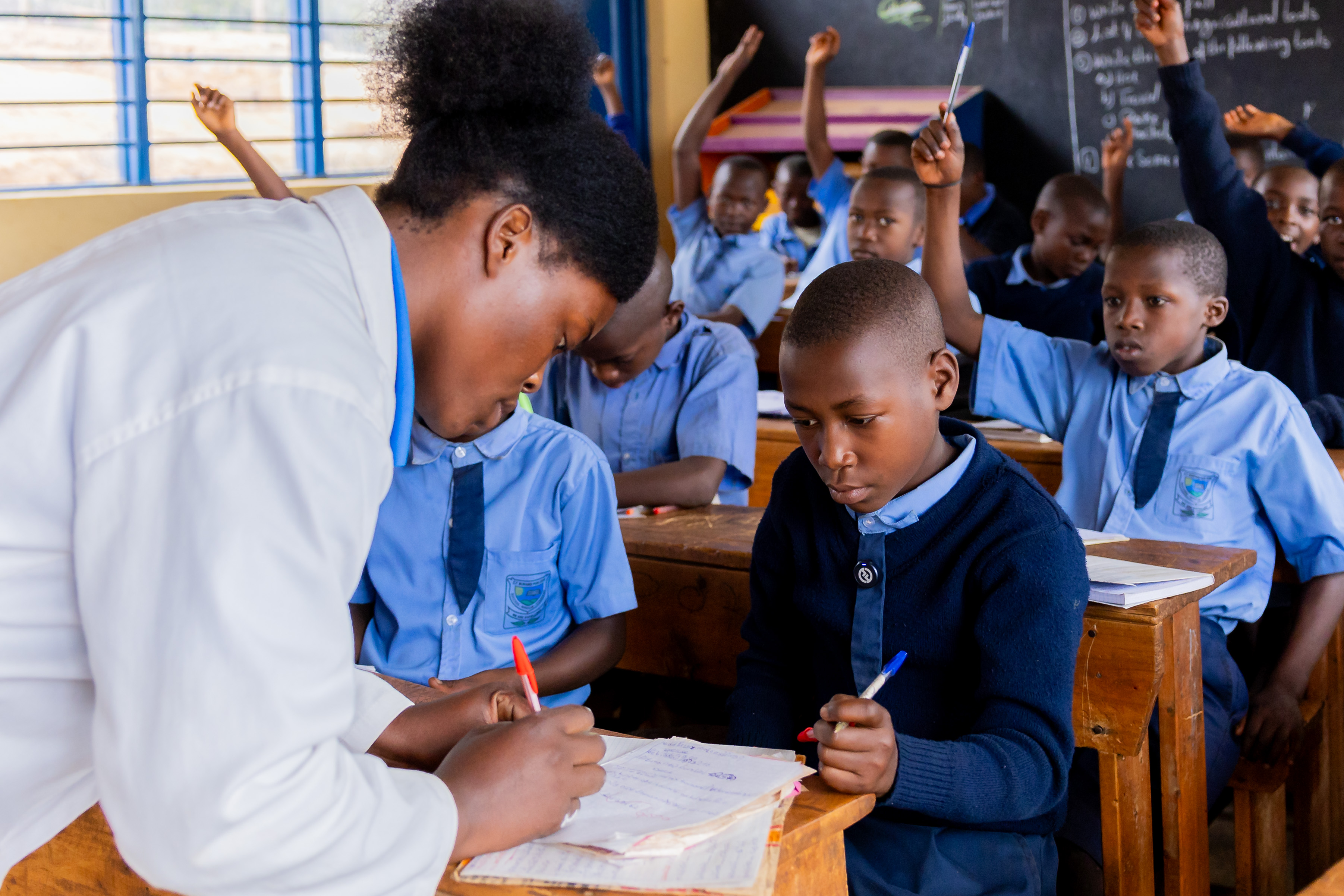
The Government of Rwanda, through the Ministry of Education, in partnership with UNICEF, has completed 313 new classrooms and 324 toilet facilities across all 30 districts under the Rwanda System Transformation Grant (STG),during the 2025–2026 period. Helping to curb down classroom overcrowding, improve sanitation and create safer, more conducive learning environments for children.
For many learners and teachers, the new facilities are already making a difference in their daily school experience.
From ageing classrooms to safer learning spaces
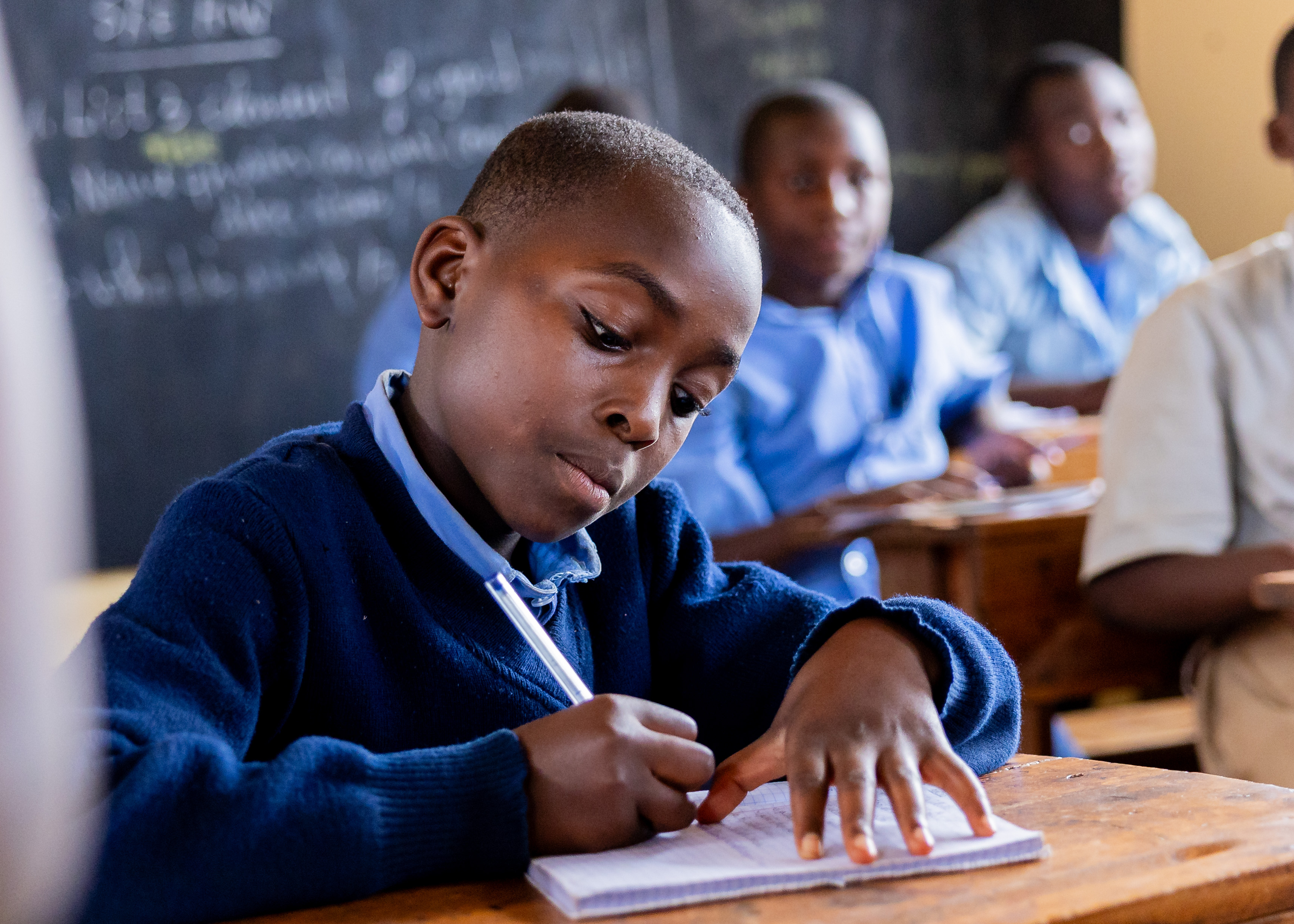
At GS Ntarama in Gashaki Sector, Musanze District, eight new classrooms have replaced aging facilities, some dating back to 1926. For Kwihangana Clemance, a teacher at the school, the difference is particularly noticeable during the rainy season.
“The classrooms we had were roofed with old tiles. When it rained, the children could not study properly. But now, new classrooms have been built, and the roofs no longer leak. The children are no longer exposed to the rain. These are the changes we have experienced,” she said.
Similar improvements are being experienced at EP Murambi Publique in Rulindo District, where old and overcrowded classrooms previously raised safety concerns.
Headteacher Theoneste Uwimana recalls that some buildings were in such poor condition that the school feared they could collapse.
“We had seven very old classrooms covered with extremely old iron sheets. We feared that one day, the buildings might collapse on the children,” he explained.
Today, the new classrooms have helped reduce the number of pupils per classroom from between 45 and 50 to between 30 and 35, giving children more space to learn and teachers better conditions to deliver lessons.
More Space, better conditions for learning
The impact extends to schools in other parts of the country.
At GS St. Paul Kirwa in Kamonyi District, ten new classrooms are helping address overcrowding and improve the school environment.
Bankundiye Eugenie, a teacher at the school, believes the improved conditions will make a positive difference to both learners and teachers.
“We are confident that we will achieve better results because the children can now learn comfortably in a clean, attractive environment. As teachers, we are proud to work in a modern, well-equipped school that reflects the country’s vision for education,” she said.
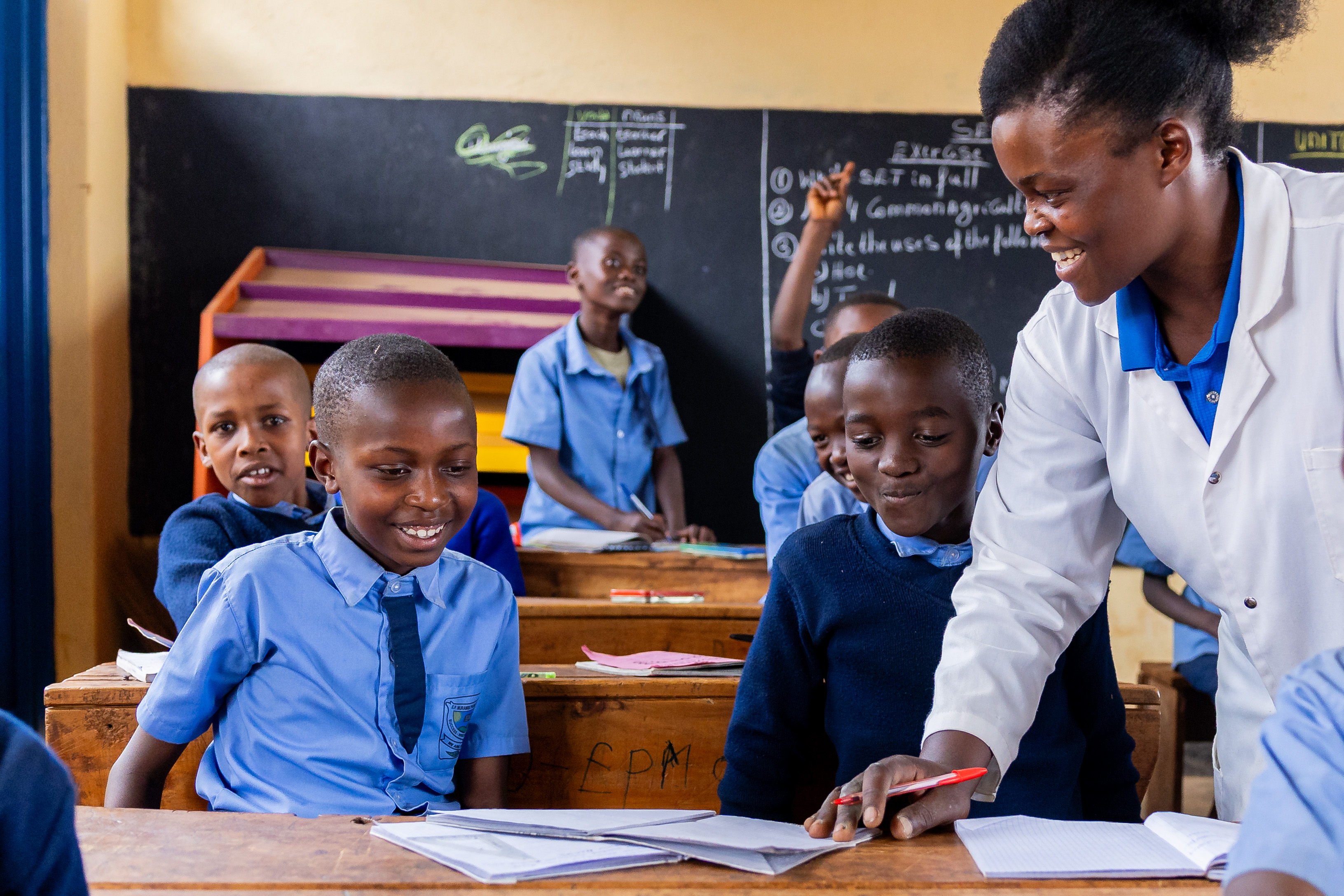
At GS Cyambwe in Kirehe District, the additional classrooms are helping the school accommodate its growing learner population. Teacher Maniraho Emmanuel says the new buildings have eased pressure on the existing facilities and reduced the risk of children having to study outdoors because of limited space.
In Kigali, EP Muhima has also benefited from eight new classrooms. Teacher Jean Paul Muvunyi explains that the new facilities provide considerably more space than the old classrooms, allowing desks to be arranged more comfortably.
Across these schools, the improvements go beyond new buildings. They mean fewer learners crowded into classrooms, better protection from harsh weather, improved sanitation and a more welcoming school environment.
Building schools through local ownership
The construction programme is being implemented through Rwanda's home-grown school construction approach, which brings together the Ministry of Education, district authorities and local government structures.
This collaborative approach promotes local ownership, strengthens accountability and helps ensure that school infrastructure investments respond to the needs of communities.
The completion of 313 classrooms and 324 toilet facilities across all 30 districts is an important milestone in the Government's continued efforts to improve school infrastructure and expand access to quality education.

Further investments in early learning and science education
The System Transformation Grant also supports Rwanda's efforts to address remaining infrastructure gaps, particularly in pre-primary and secondary education.
Plans include the construction of 300 additional pre-primary classrooms, with ten allocated to each district. This investment will help expand access to early learning, especially in rural communities where limited classroom space remains a barrier to enrolment.
At secondary level, the programme plans to provide science laboratory equipment to selected day schools offering science combinations but lacking adequate laboratory facilities. This will help strengthen practical science teaching and learning.
Through these investments, the Government of Rwanda, with support from UNICEF under the System Transformation Grant, continues to address barriers to quality education.
For learners, the benefits are tangible: a safe classroom, enough space to sit and learn, better sanitation and an environment where they can concentrate on their studies.
These are essential conditions for improving learning outcomes and ensuring that every child, regardless of where they live, has a fair opportunity to succeed in school.
More News
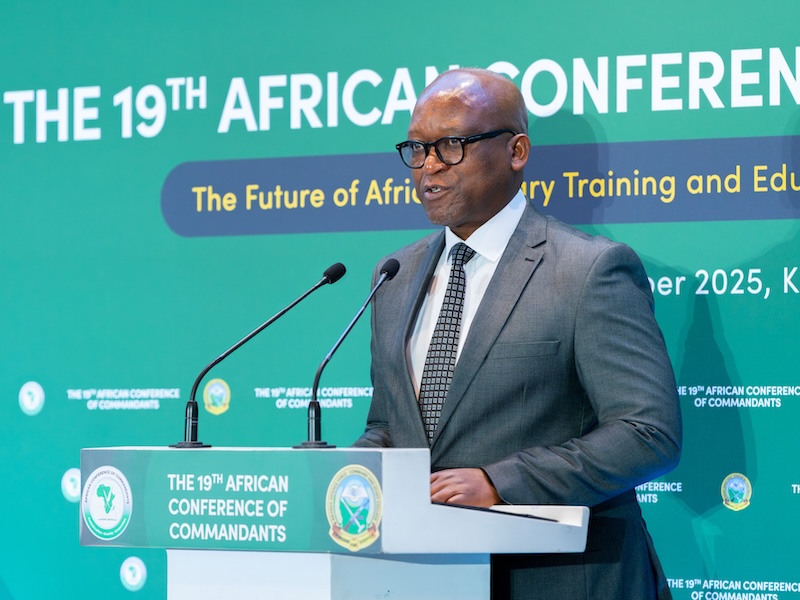
THE 19TH AFRICAN CONFERENCE OF COMMANDANTS OF AFRICAN COMMAND AND STAFF COLLEGES KICKS OFF IN KIGALI
10 November 2025
The 19th African Conference of Commandants (ACoC) of African Command and Staff Colleges officially kicked off today in Kigali,…
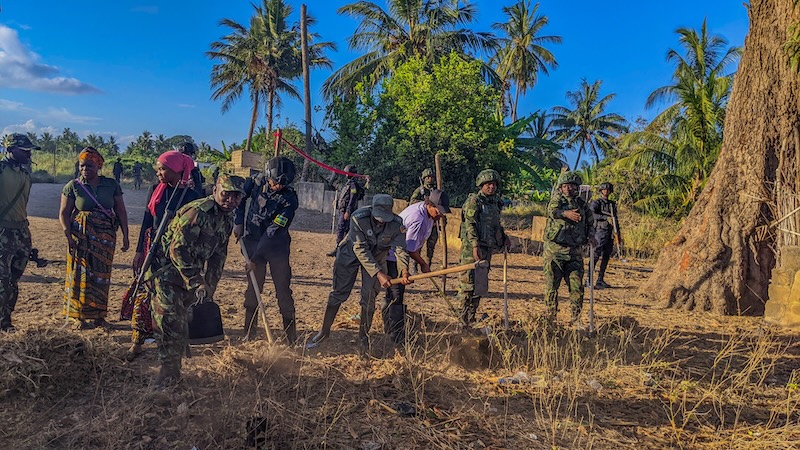
RWANDA SECURITY FORCE IN MOCÍMBOA DA PRAIA JOINS RESIDENTS IN COMMUNITY WORK
Cabo Delgado, 8 November 2025
Today, the Rwanda Security Forces (RSF) deployed in Mozambique’s northern province of Cabo Delgado joined local…

RDF PRESS RELEASE: RWANDA TO HOST THE 19TH AFRICAN CONFERENCE OF COMMANDANTS OF AFRICAN COMMAND AND STAFF COLLEGES
REF: RDF/DPA/A/13/08/25
Kigali, 7 November 2025
The Republic of Rwanda will host the 19th African Conference of Commandants (ACoC) from 10 to 12…
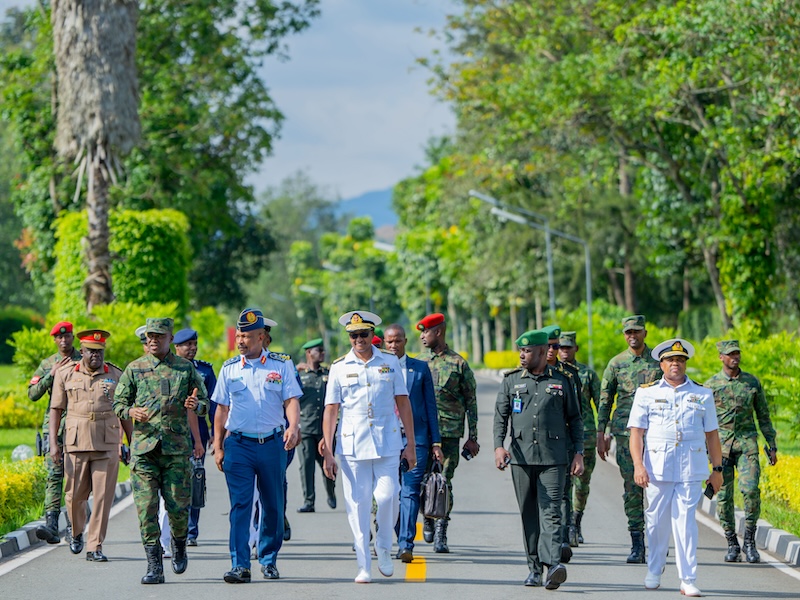
THE CHIEF OF DEFENCE FORCES OF KENYA DELIVERS A LECTURE TO SENIOR OFFICERS AT RDF COMMAND AND STAFF COLLEGE
Musanze, 06 November 2025
The Chief of Defence Forces of the Kenya Defence Forces (CDF-KDF), General Charles Muriu Kahariri, today visited the Rwanda…

THE CHIEF OF CIVIL-MILITARY COOPERATION IN THE RWANDA DEFENCE FORCE URGES THE HEADS OF BASIC EDUCATION SCHOOLS TO PROMOTE RWANDA’S HISTORY AMONG THE YOUTH
Burera, 5 November 2025
The Chief of Civil–Military Cooperation in the Rwanda Defence Force (RDF), Colonel Désiré Migambi Mungamba, today addressed…

THE CHIEF OF DEFENCE FORCES OF THE KENYA DEFENCE FORCES VISITS THE RWANDA DEFENCE FORCE
Kigali, 5 November 2025
The Chief of Defence Forces of the Kenya Defence Forces (CDF-KDF), General Charles Muriu KAHARIRI, is on a working visit to…

MOZAMBIQUE CHIEF OF GENERAL STAFF VISITS THE RWANDA SECURITY FORCES IN MOCÍMBOA DA PRAIA
Cabo Delgado, 30 October 2025
Today, the Chief of the General Staff of the Mozambican Armed Forces (CGS), General Júlio dos Santos Jane, accompanied…

RDF CHIEF OF CIVIL-MILITARY COOPERATION HIGHLIGHTS THE ROLE OF UNITY AND RESILIENCE IN BUILDING A STRONG AND UNITED RWANDA AT THE ANNUAL UNITY AND RESILIENCE FORUM IN GASABO
Kigali, 28 October 2025
Today, the Chief of Civil-Military Cooperation (Chief J9) in the Rwanda Defence Force, Colonel Désiré Migambi Mungamba,…

JUNIOR COMMAND AND STAFF COURSE GRADUATES IN MUSANZE DISTRICT
Musanze, 24 October 2025
Today, a total of 75 officers comprising 71 from the Rwanda Defence Force, two from the Rwanda National Police (RNP), and…

LAND FORCES COMMANDERS SYMPOSIUM CONCLUDES IN KIGALI
Kigali, 22 October 2025
The two-day Land Forces Commanders Symposium held in Kigali concluded with productive discussions aimed at inspiring African…