
Huye: Minister Dr Bizimana calls for historical truth to combat genocide ideology

The Minister of National Unity and Civic Engagement, Dr Jean Damascène Bizimana, has called on Rwandans to confront the country’s history honestly, warning that genocide ideology persists and that historical truth is essential to preventing divisionism from recurring.
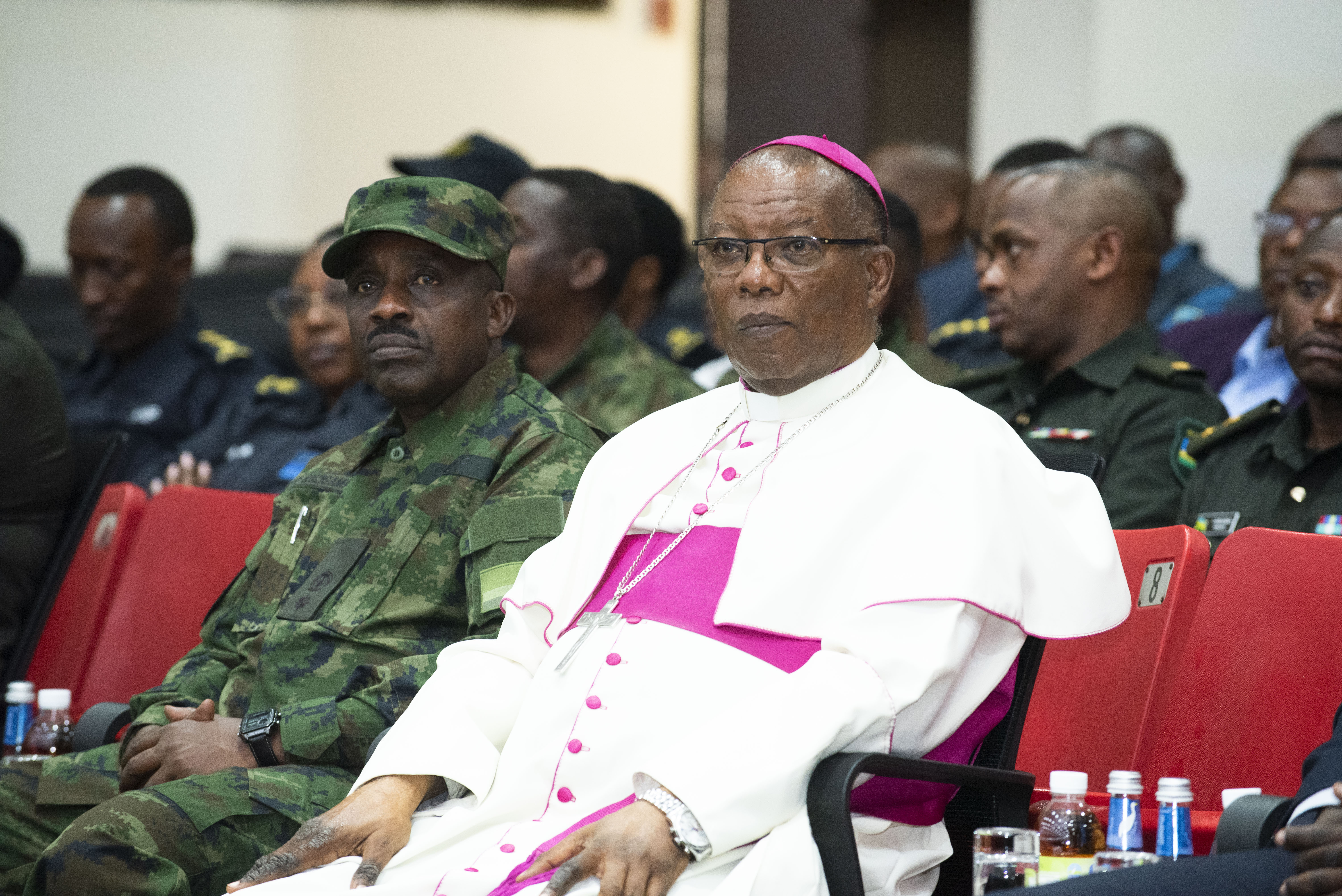
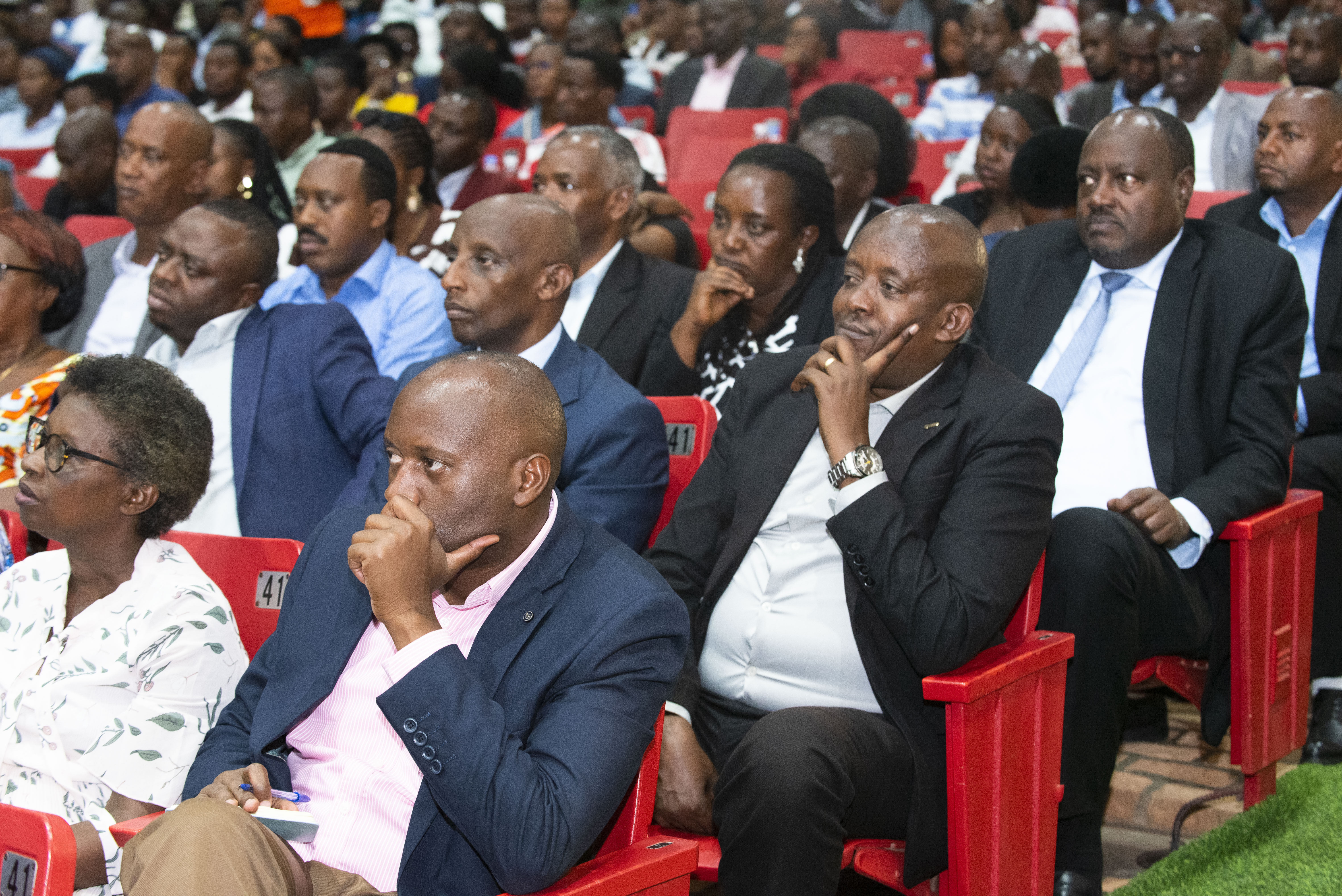
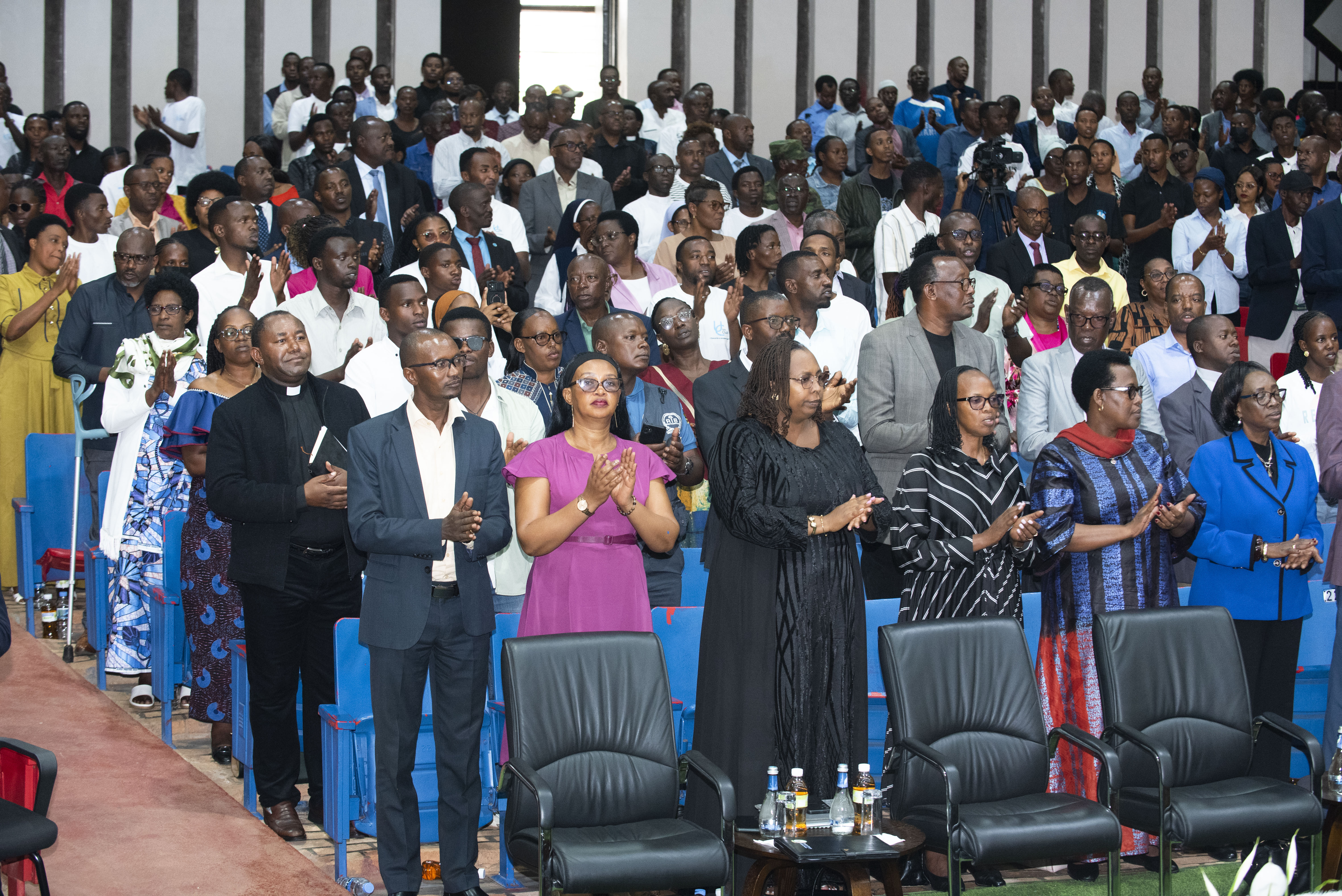
He made the remarks on Tuesday, 13 October 2026, during a forum promoting national unity and community resilience at the University of Rwanda’s Huye Campus, attended by stakeholders from Huye, Nyanza and Gisagara districts.

Dr Bizimana noted that the three districts have a painful history, reflected in the scale of participation in the 1994 Genocide against the Tutsi. According to figures he presented, Huye recorded 81,126 people convicted by Gacaca courts for genocide-related participation, followed by Nyanza with 68,566 and Gisagara with 63,200.
He also cited the 2025 National Unity Barometer, which ranked Nyanza fourth nationally, Gisagara 26th and Huye 28th.
Alice Kayitesi, Governor of the Southern Province, highlighted the region’s painful history, noting that some intellectuals and academics from Butare and the wider southern region participated in the 1994 Genocide against the Tutsi.
She said these individuals should have used their education and knowledge to challenge divisionism and prevent violence, but instead, some chose to participate in the atrocities.
Their actions were deplorable and serve as a reminder that education must be accompanied by moral responsibility and a commitment to humanity, and that intellectuals today have a duty to promote unity, challenge hatred and help prevent the recurrence of genocide.
Understanding the roots of divisionism
Dr Bizimana traced ethnic divisionism to the colonial period and subsequent political developments, highlighting the role of Belgian colonial administrators and the Catholic Church in propagating ethnic divisions.
He recalled that Grégoire Kayibanda announced the establishment of PARMEHUTU on 25 September 1959, marking a significant moment in ethnic-based politics. He said ideologies promoted by PARMEHUTU, APROSOMA, MRND and CDR entrenched hatred and discrimination in the decades preceding the Genocide against the Tutsi.
“It is therefore right that we tell each other the truth,” the Minister said, warning that without historical truth, such tragedies could recur.
He stressed the importance of understanding the mechanisms that destroyed Rwandan society and remaining vigilant against divisive ideologies.
Reflecting on Rwanda’s progress since 1994, Dr Bizimana cited the 2025 Nationa Unity Barometer according to which unity stands at 95.3 per cent, urging Rwandans to protect these gains and reject ideologies that undermine shared citizenship.
Young people urge to reject hatred
Hakizimana Anasthase, a student at the Catholic University, said some young people encounter misleading information about the Genocide against the Tutsi through family members and social media.
He pledged to share accurate historical information with his peers and encourage them to critically examine what they read and hear.

Organised as part of Unity and Resilience Month, the forum underscored the importance of historical awareness, civic responsibility and critical thinking in preventing genocide ideology and safeguarding national unity.
More News
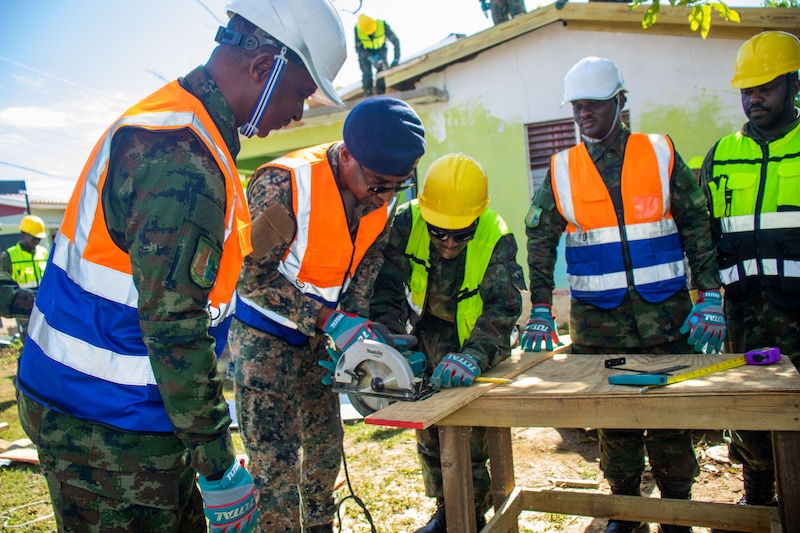
THE JDF SUPPORT BRIGADE COMMANDER VISITS RDF ENGINEER CONTINGENT IN JAMAICA
Montego Bay, 31 January 2026
The Commander of the Jamaica Defence Force (JDF) Support Brigade, Brigadier O' neil A Bogle, visited the Rwanda…

RDF INTER-FORCE COMPETITION WRAPS UP WITH EXCITING FINAL
Kigali, 31 January 2026
The 2025–2026 RDF Inter-Force Sports Competition concluded today with an exciting final football showdown at Kigali Pélé…

CHIEF OF CIVIL MILITARY COOPERATION ADDRESSES RUBAVU RESIDENTS DURING UBUTWARI TOUR 2026 CONCERT
Rubavu, 30 January 2026
The Chief of Civil Military Cooperation (Chief J9), Col Désiré Migambi Mungamba, today addressed residents of Rubavu…

MINISTRY OF DEFENCE HOSTS PARLIAMENTARIANS FROM NAMIBIA
Kigali, 28 January 2026
Today, the Minister of Defence, Hon Juvenal Marizamunda, received a delegation of Members of the Parliamentary Standing…

RDF PRESS RELEASE - APPOINTMENTS IN THE RWANDA DEFENCE FORCE
REF: RDF/DPA/A/15/08/26
Kigali, 24 January 2026
1. H.E THE PRESIDENT OF THE REPUBLIC OF RWANDA AND C-IN-C OF RDF HAS APPOINTED Brig Gen Godfrey…

RDF COMMAND AND STAFF COLLEGE HOLDS ANNUAL CULTURAL DAY
Musanze, 23 January 2026
The Rwanda Defence Force Command and Staff College (RDFCSC) today held its 13th Annual Cultural Day at its premises in…

RDF AND JAMAICAN MILITARY ENGINEERS COMMENCE JOINT RECONSTRUCTION WORKS IN MONTEGO BAY
Jamaica, 19 January 2026
The Rwanda Defence Force (RDF) Engineer Contingent in collaboration with engineers from the Jamaica Defence Force (JDF),…

A team of six RDF and RNP officers is at United Nations Headquarters in New York City to participate in the 2026 Contingent-Owned Equipment Working Group (COEWG).
New York,19 January 2026
A team of six RDF and RNP officers is at United Nations Headquarters in New York City to participate in the 2026…

JAMAICA FOREIGN MINISTER WELCOMES RWANDA DEFENCE FORCE ENGINEER CONTINGENT
Kingston, 15 January 2026
The Government of Jamaica has officially welcomed the Rwanda Defence Force (RDF) Engineer Contingent deployed to support in…

RDF INTER-FORCE SPORTS COMPETITION REACHES SEMI-FINALS
Kigali, 15 January 2026
The Rwanda Defence Force (RDF) Inter-Force Sports Competition (IFC) Edition 2025–2026 has progressed to the Semi-Finals…